

METHODOLOGY
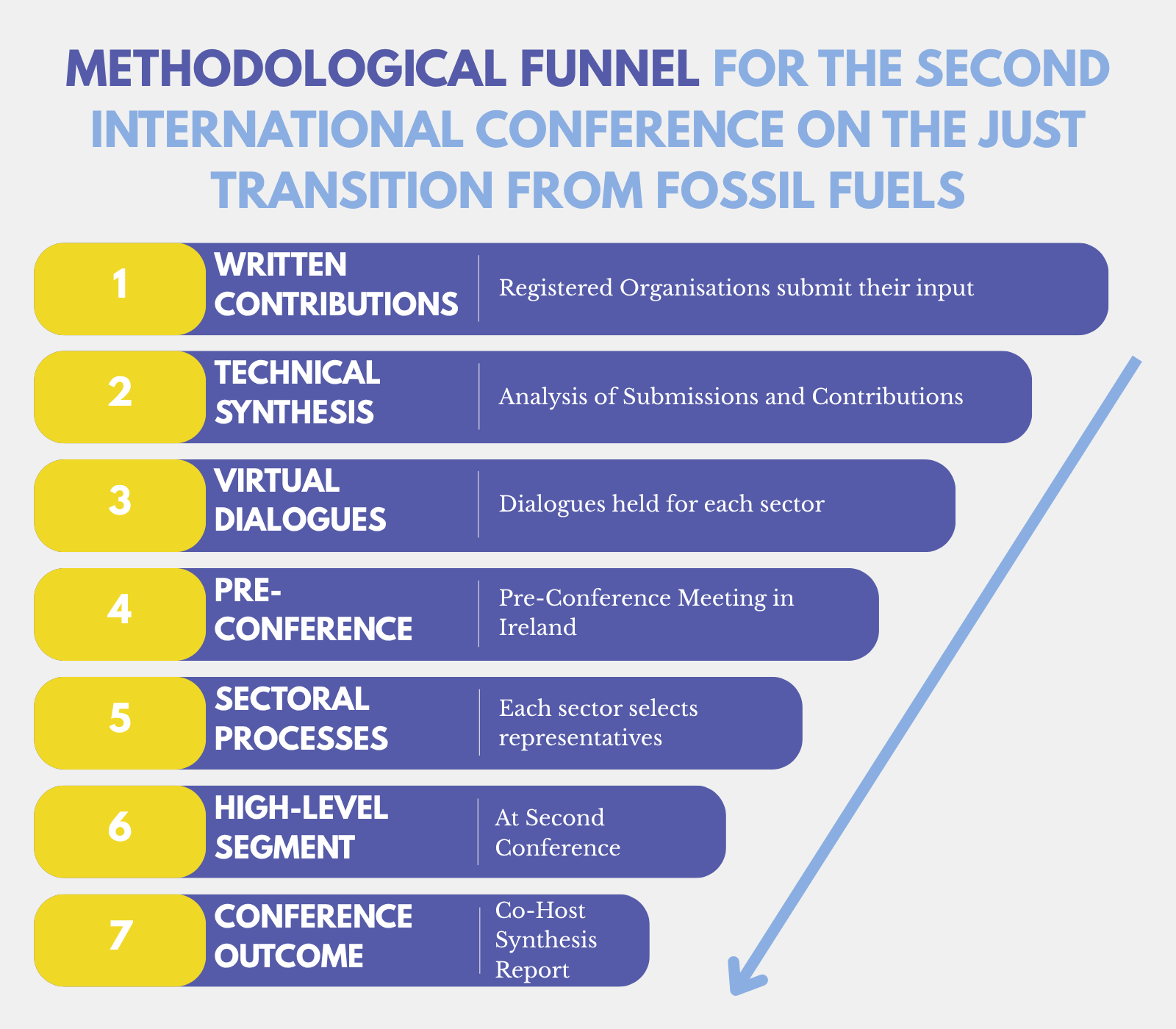
The Santa Marta Process aims to scale up international cooperation among states and non-state actors and will enable widespread participation. Between now and the 2nd Conference, national and subnational governments, Indigenous Peoples and other sectors will have the opportunity to engage and contribute to the technical and political discussions.
-

Overcoming economic dependence
Fiscal dependence and public debt
Productive reconversion without creating new forms of extractivism
Equitable, shared and historic responsibilities and joint efforts
-

Transforming supply and demand
Supply: Ending expansion of coal, oil and gas production and an equitable, planned and 1.5ºC aligned phase-down and closure of fossil fuel extraction, including environmental liabilities, fair distribution of responsibilities and impacts, cost coverage, stranded asset management.
Demand: energy access, fuel switching, energy security and sovereignty, phase-out of key demand drivers
Incentives: phasing out fossil fuel subsidies and scaling renewable energy investment
-

Advancing international cooperation and closing gaps in global governance
Closing gaps in implementation, governance, and international cooperation
Scaling international cooperation and finance for the transition
Addressing international legal barriers, particularly those arising from investor–State dispute settlement (ISDS)

Shared Commitments for Participation
The Co-Hosts of the 2nd International Conference on the Just Transition Away from Fossil Fuels invite States to participate in the 2nd Conference and the ongoing Santa Marta process on the basis of aligning with the following principles:
There is a need for accelerated and urgent action on the just transition away from fossil fuels that includes absolute emissions and production decline consistent with the 1.5°C objective, including through ensuring no new expansion of fossil fuel projects;
Acknowledging that differentiated timelines will be required as many developing countries face structural barriers to the transition and are not in a position to immediately commit to scaling down fossil fuel extraction. At the same time, a global just transition offers a path beyond fossil fuel dependence, price volatility and stranded asset risk, towards energy sovereignty, economic resilience and new development opportunities;
International and South-South cooperation - including through new instruments of international cooperation to articulate shared commitments and enable financial support, debt relief, and mutually beneficial trade arrangements - is critical to ensuring that fossil fuel-dependent developing countries can transition in a way that advances rather than undermines their development and enables universal access to clean, reliable energy;
There is a need to scale down fossil fuel production, consumption, licences and subsidies at the national and international level;
National and international fossil fuel phase out plans that address both production and emissions are critical to ensuring a 1.5°C-aligned transition;
Public spending, central banking policy, trade policy, sovereign wealth funds and public pension funds need to be aligned with the need for accelerated action on fossil fuel phase out;
Phasing out fossil fuel subsidies is critical, including through transparent publishing of an inventory of fossil fuel subsidies;
Countries participating in the Santa Marta Process should adopt a shared commitment to advance these actions, both domestically and internationally, in cooperation with others over time.

1st Conference on Transitioning Away from Fossil Fuels in Santa Marta
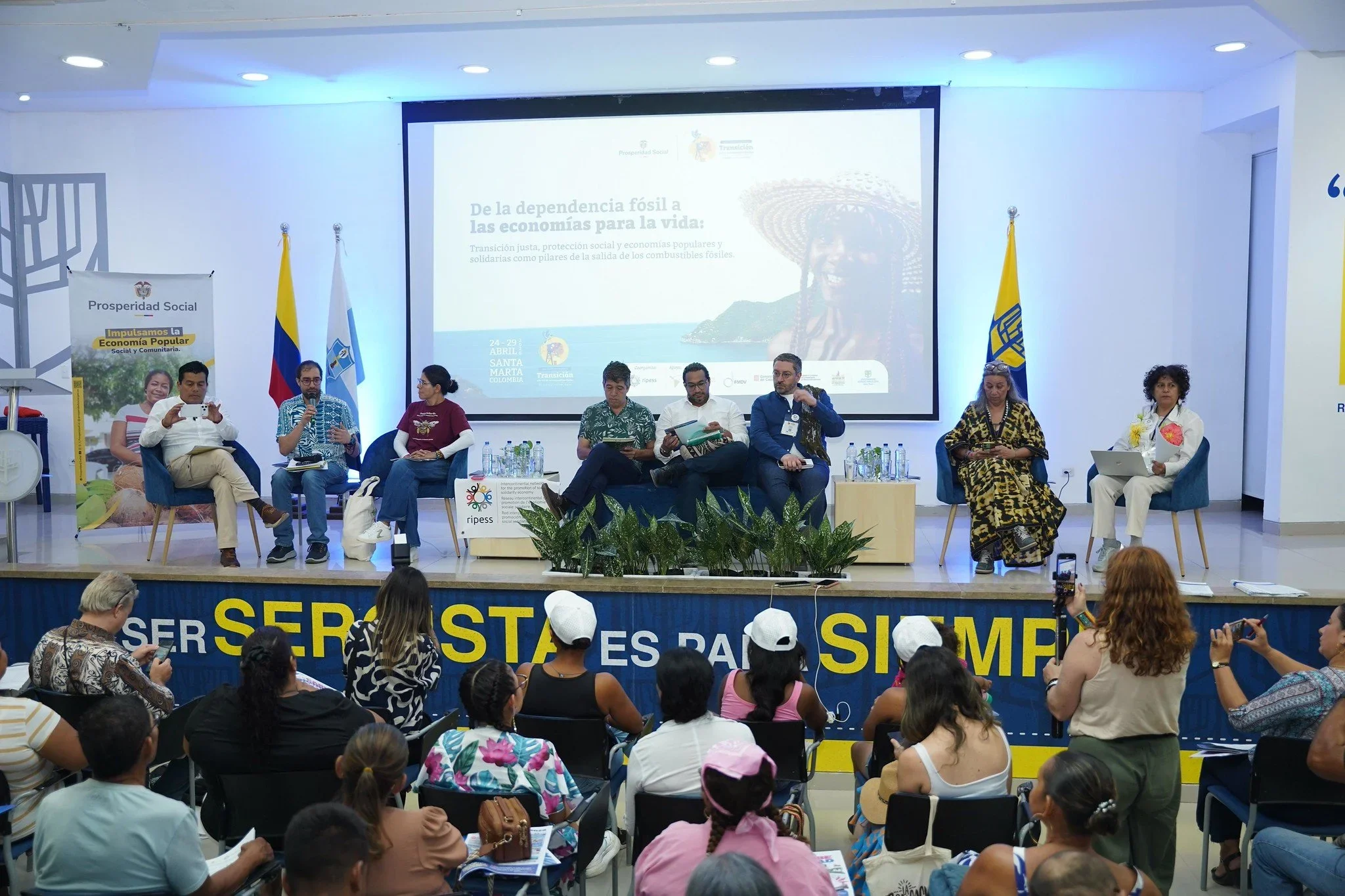
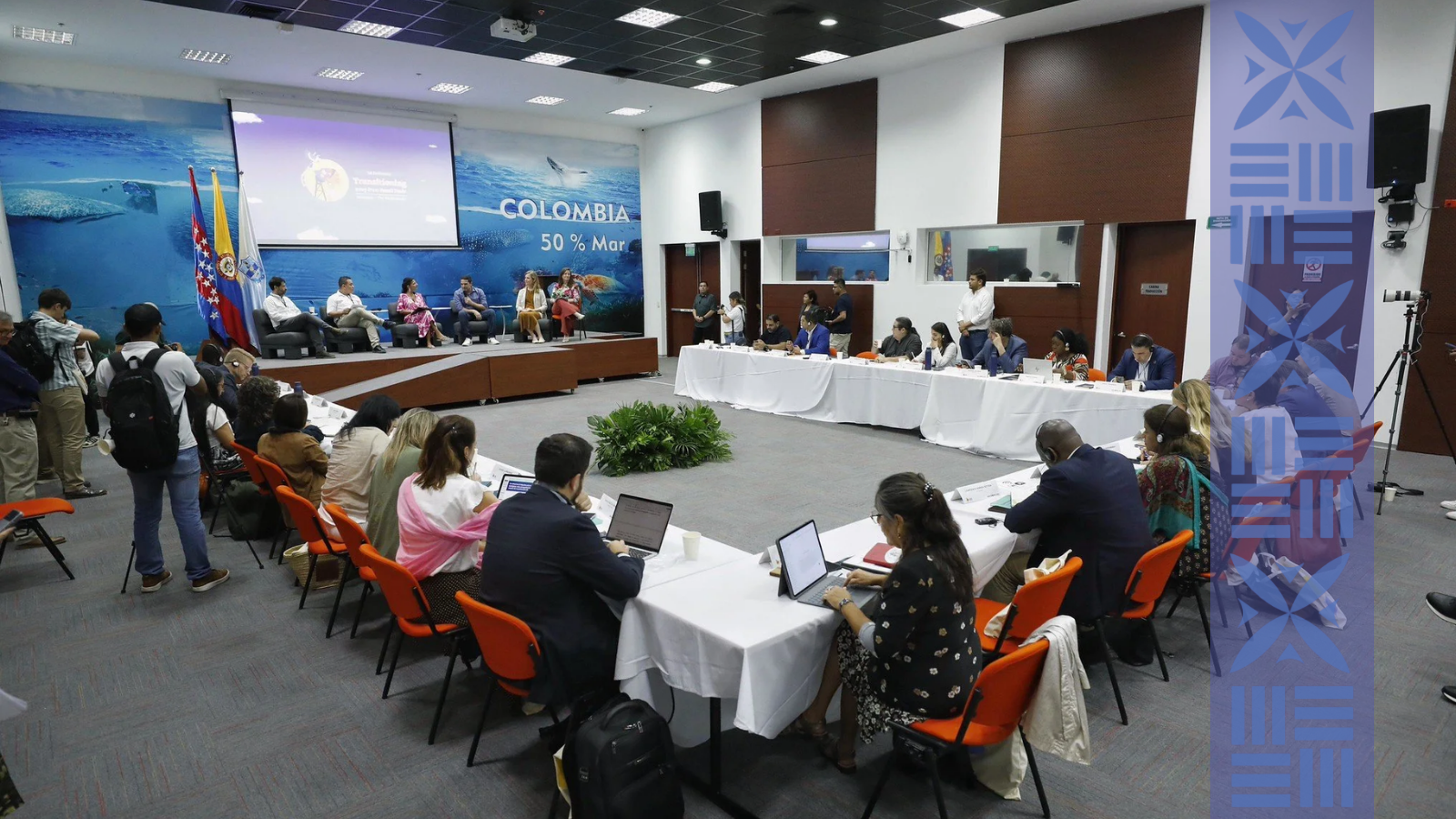
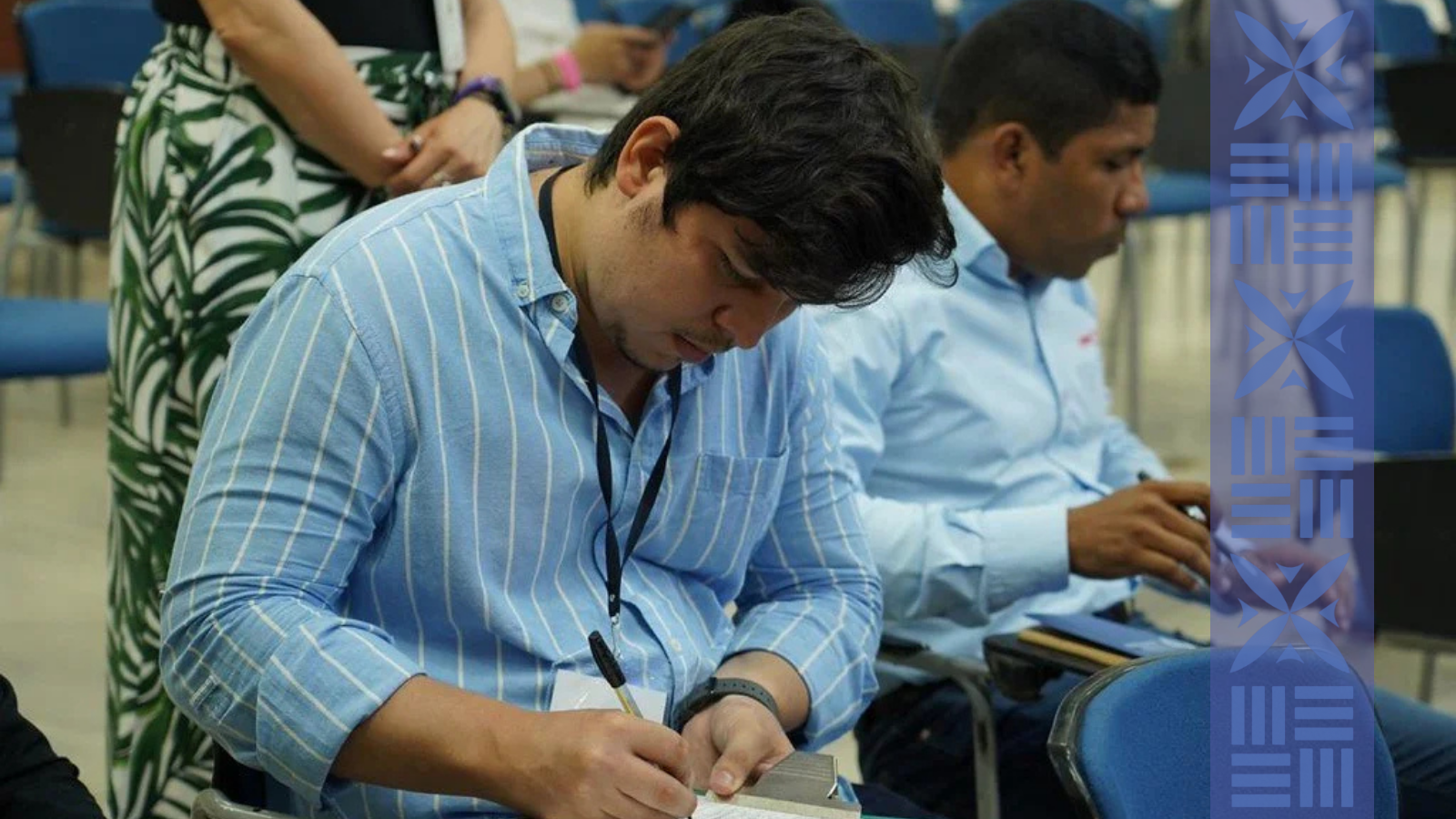
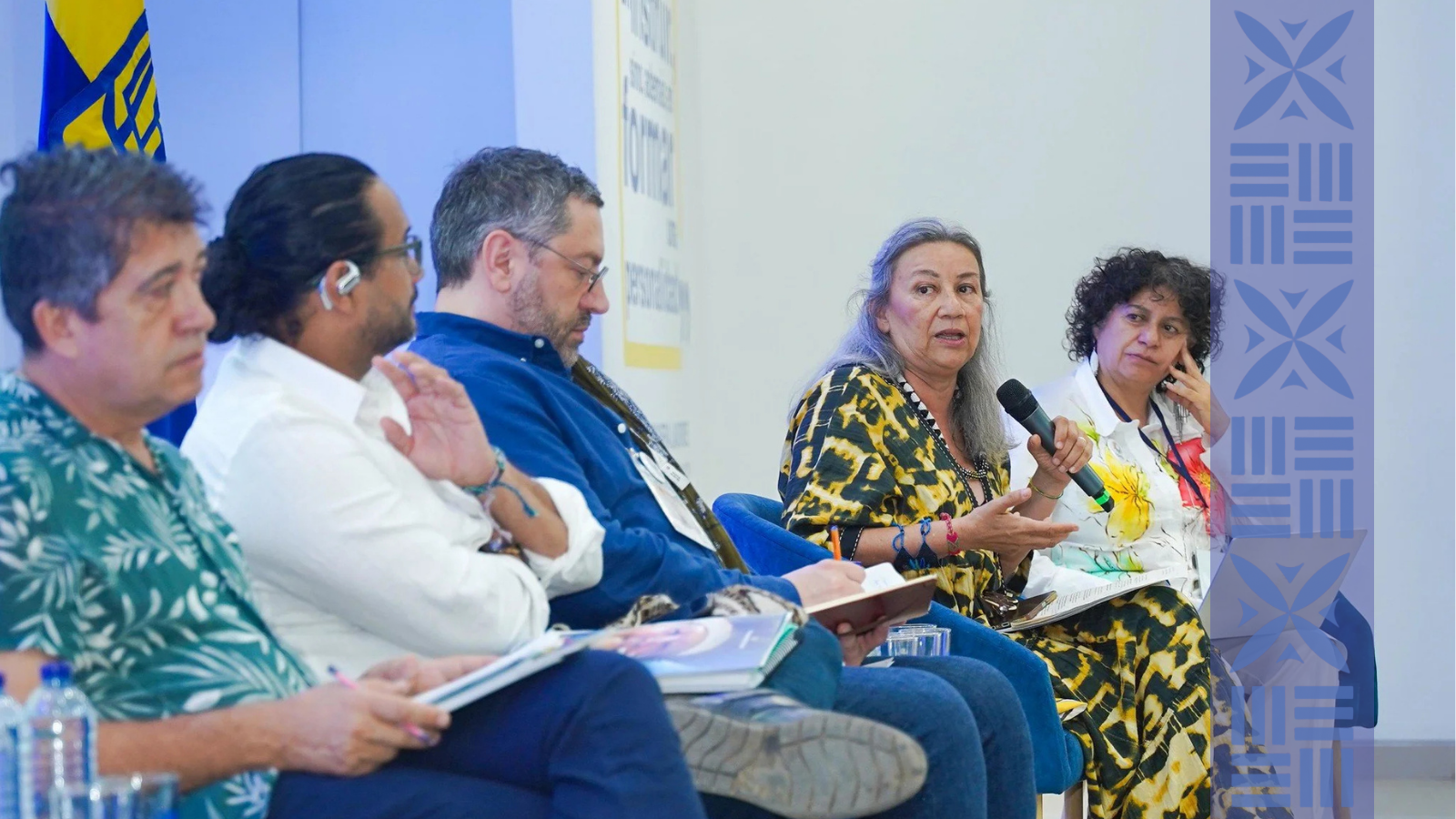
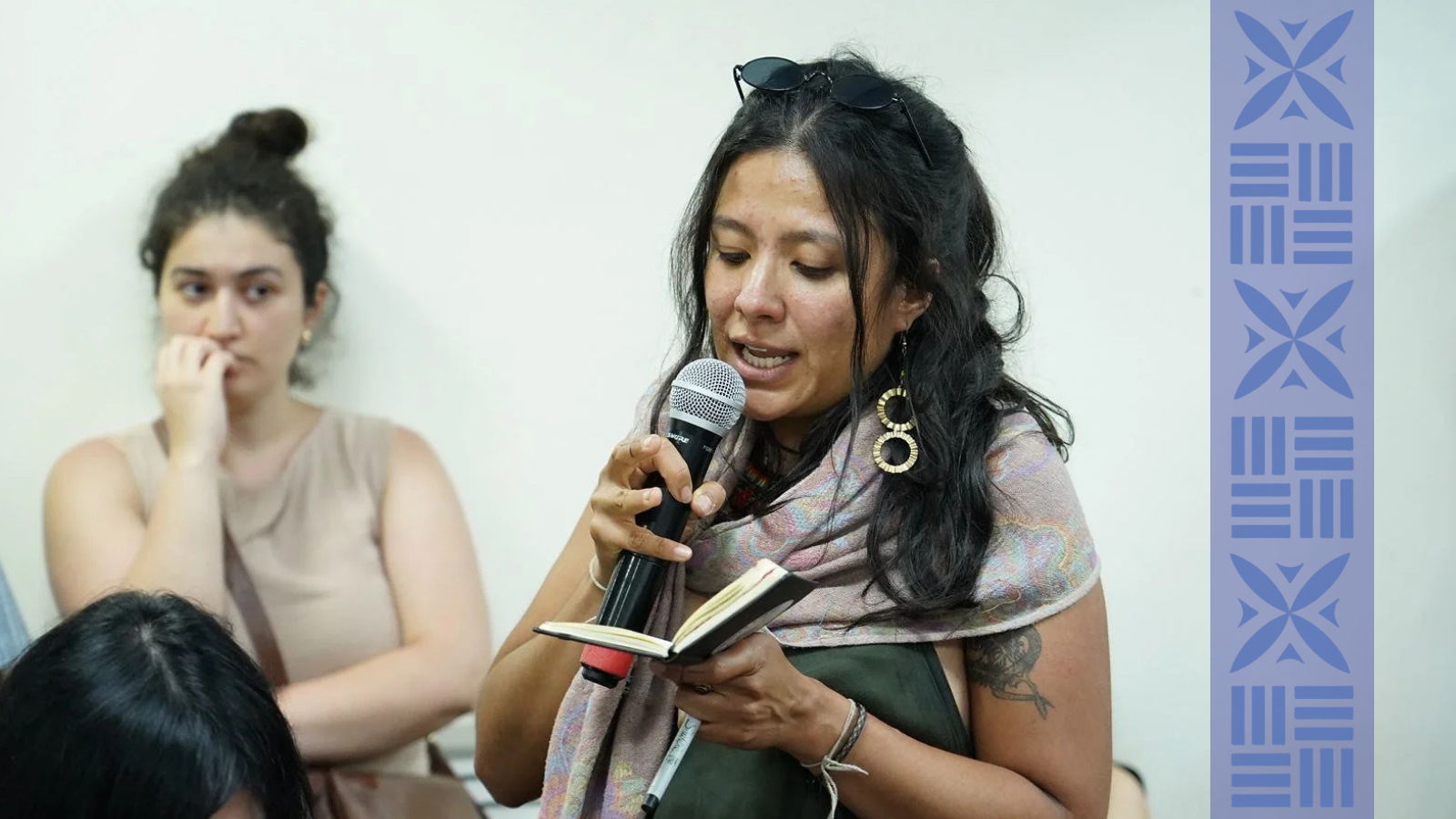
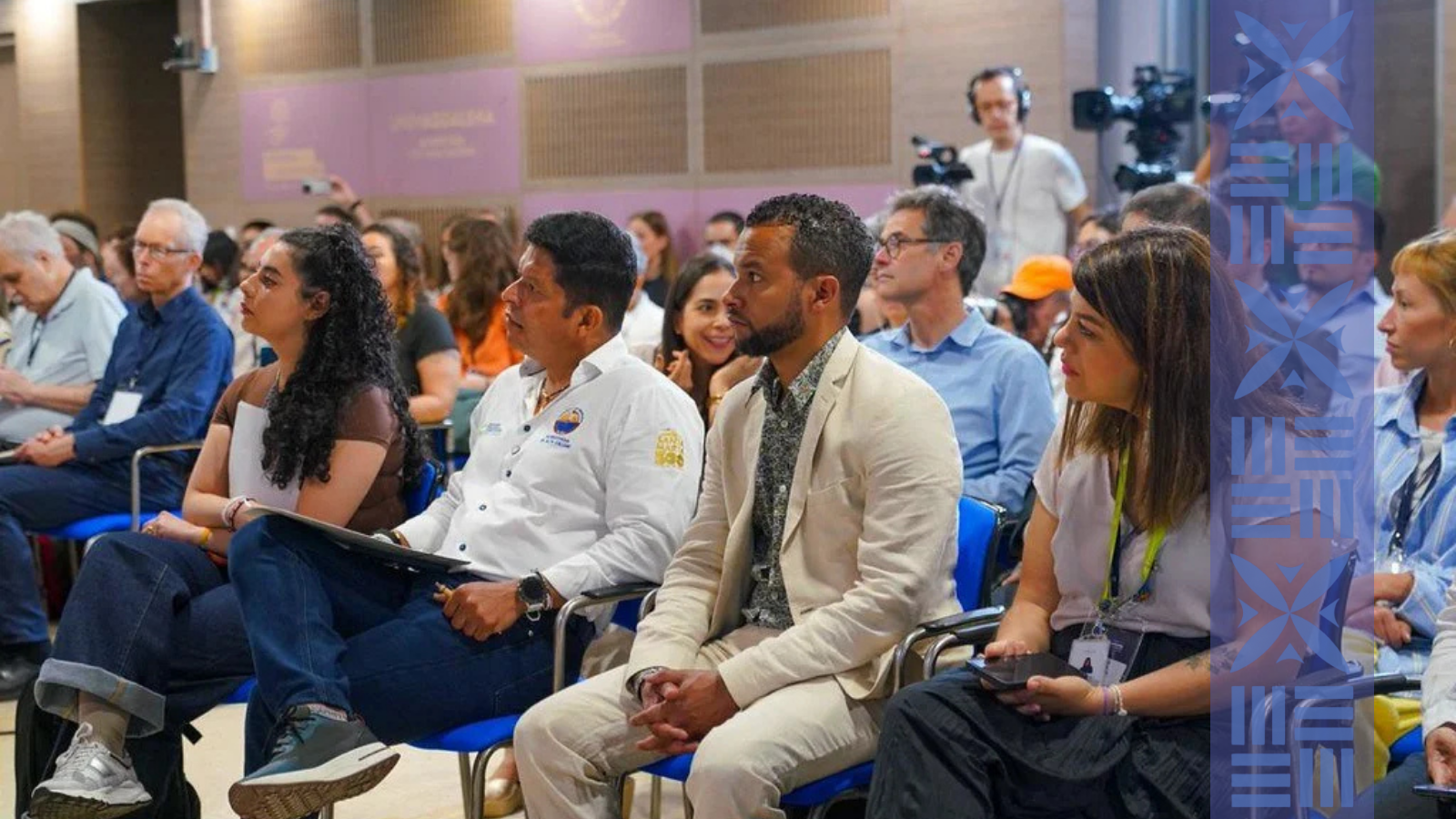
From 24 to 29 April 2026, Colombia and the Netherlands co-hosted the 1st Conference on Transitioning Away from Fossil Fuels. The conference, held in the coal port city of Santa Marta, convened 57 countries and more than 1000 representatives of key sectors and non-state actors to advance the transition away from fossil fuels. Over the course of five days, countries and representatives from 14 sectors created a historic platform for dialogue and action on advancing a just, orderly, and equitable transition away from fossil fuels.
Sectors
-
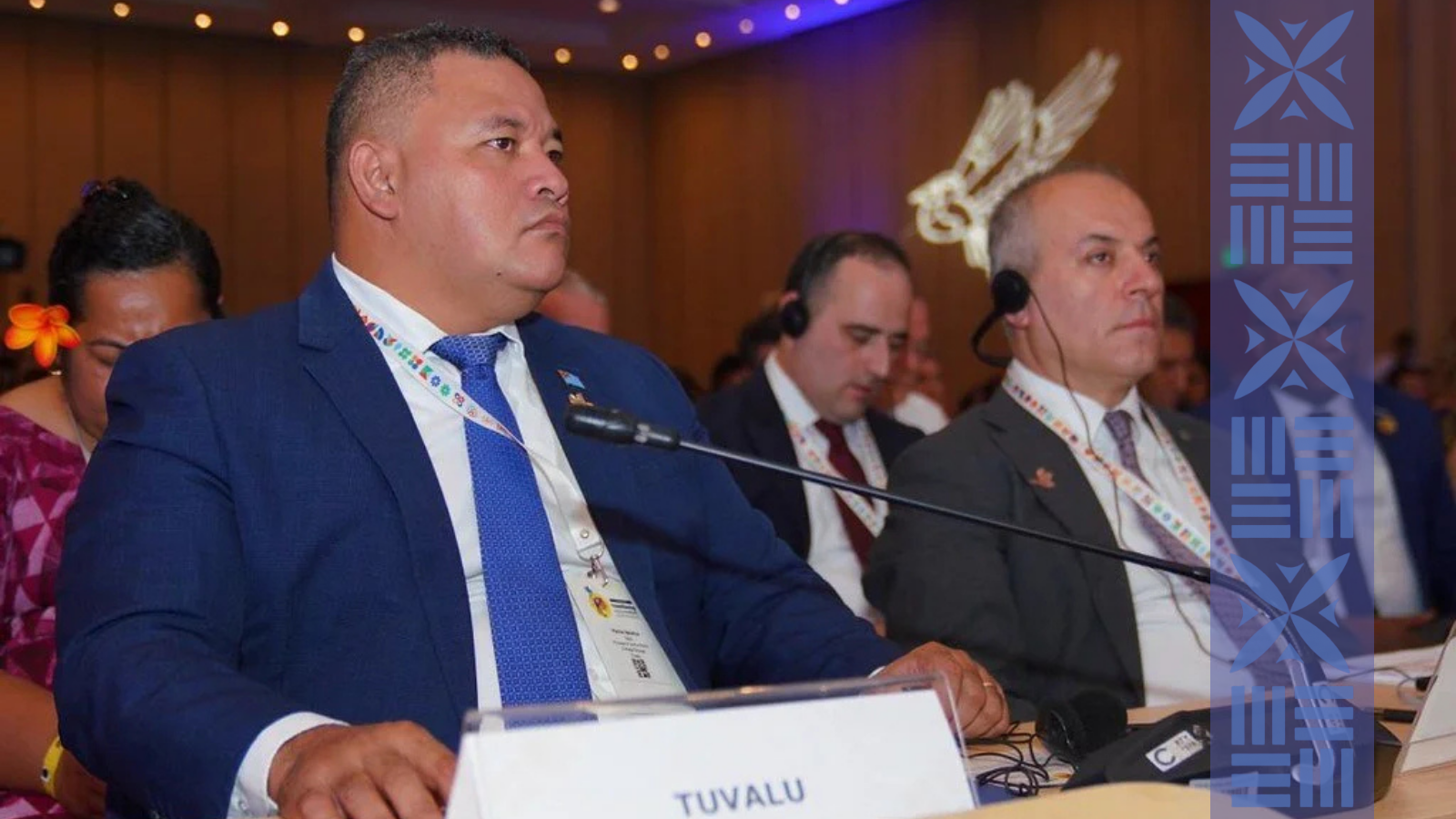
National Governments
-
Subnational Governments
-
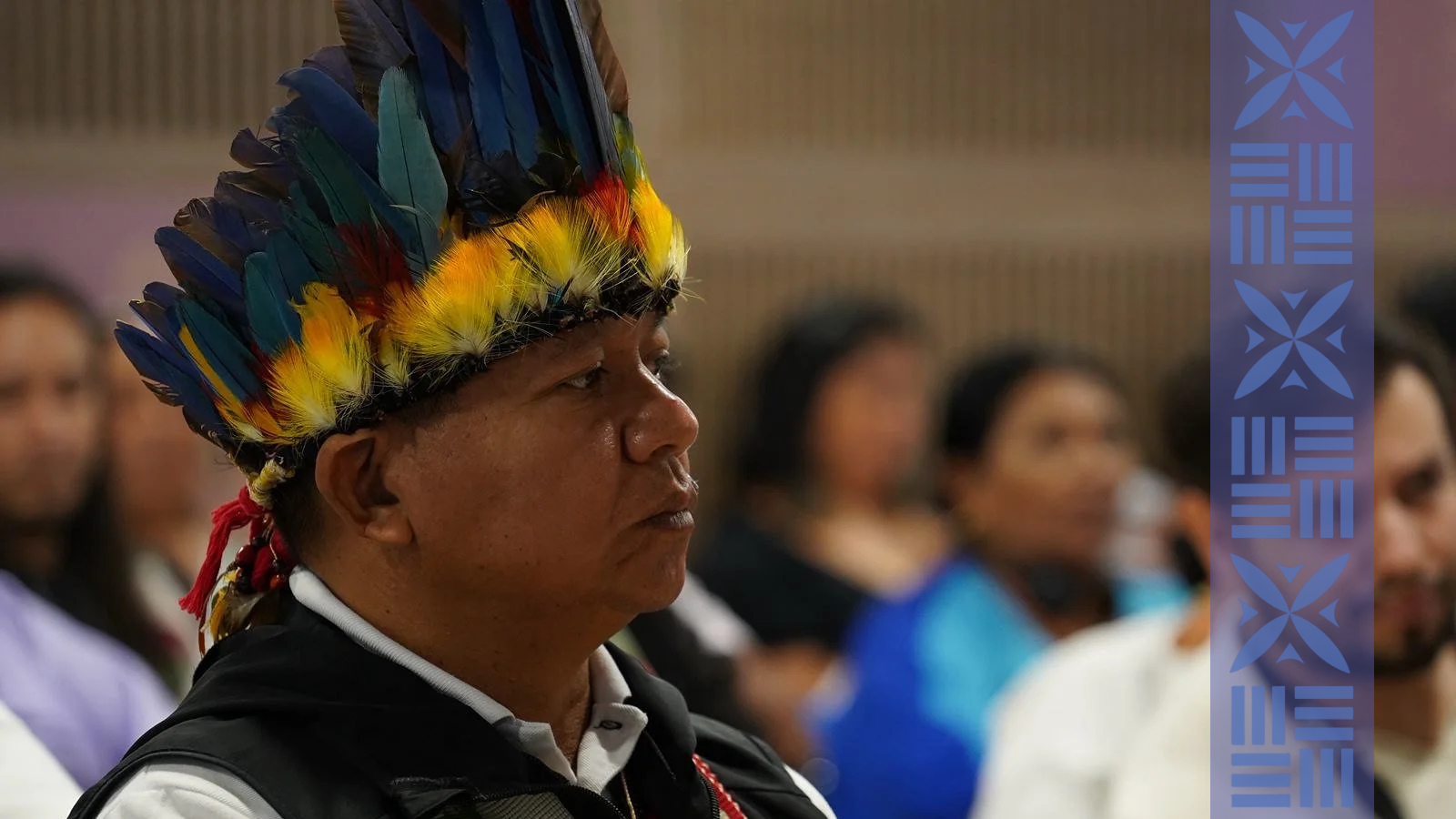
Indigenous Peoples
-
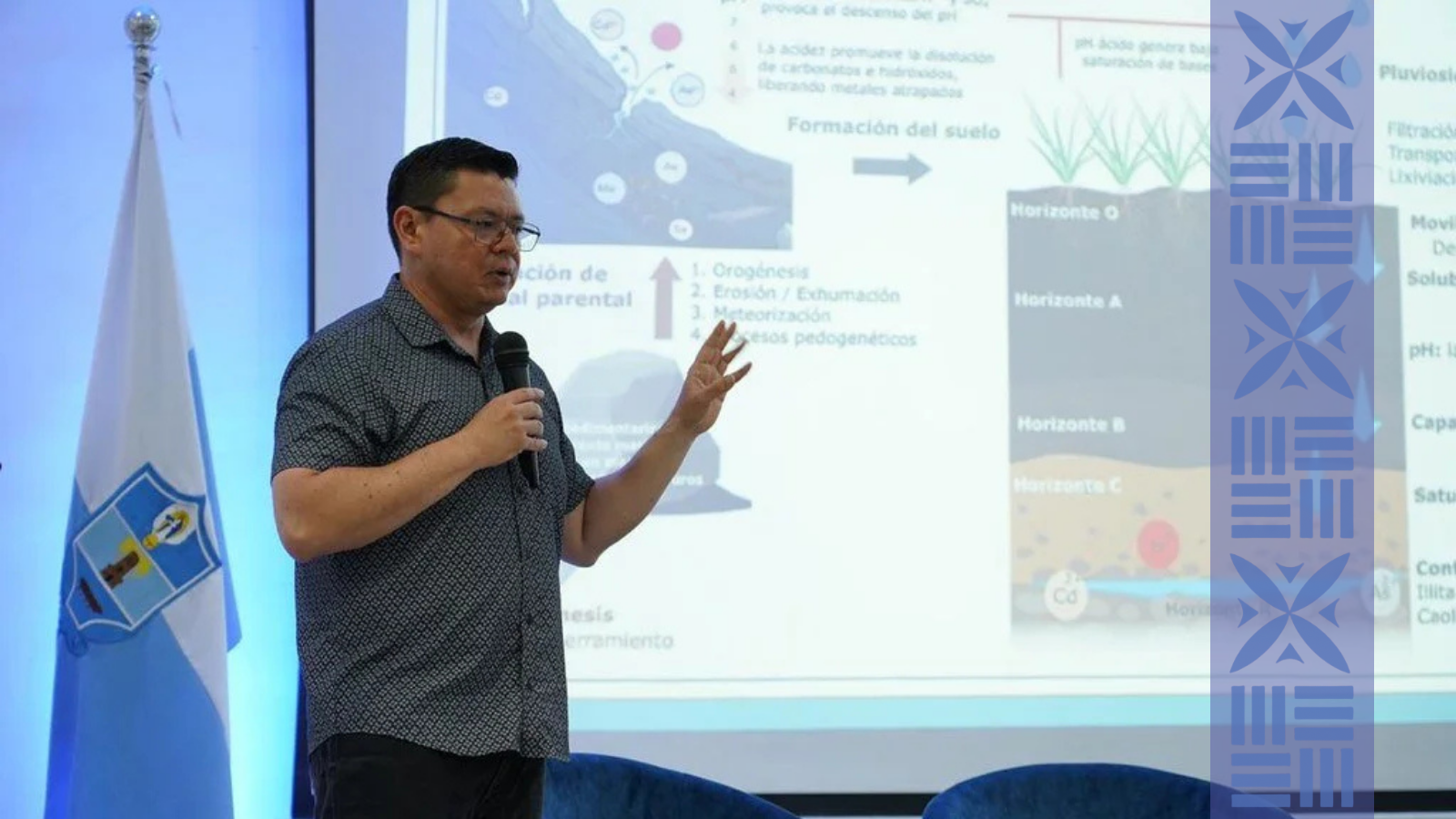
Academics
-
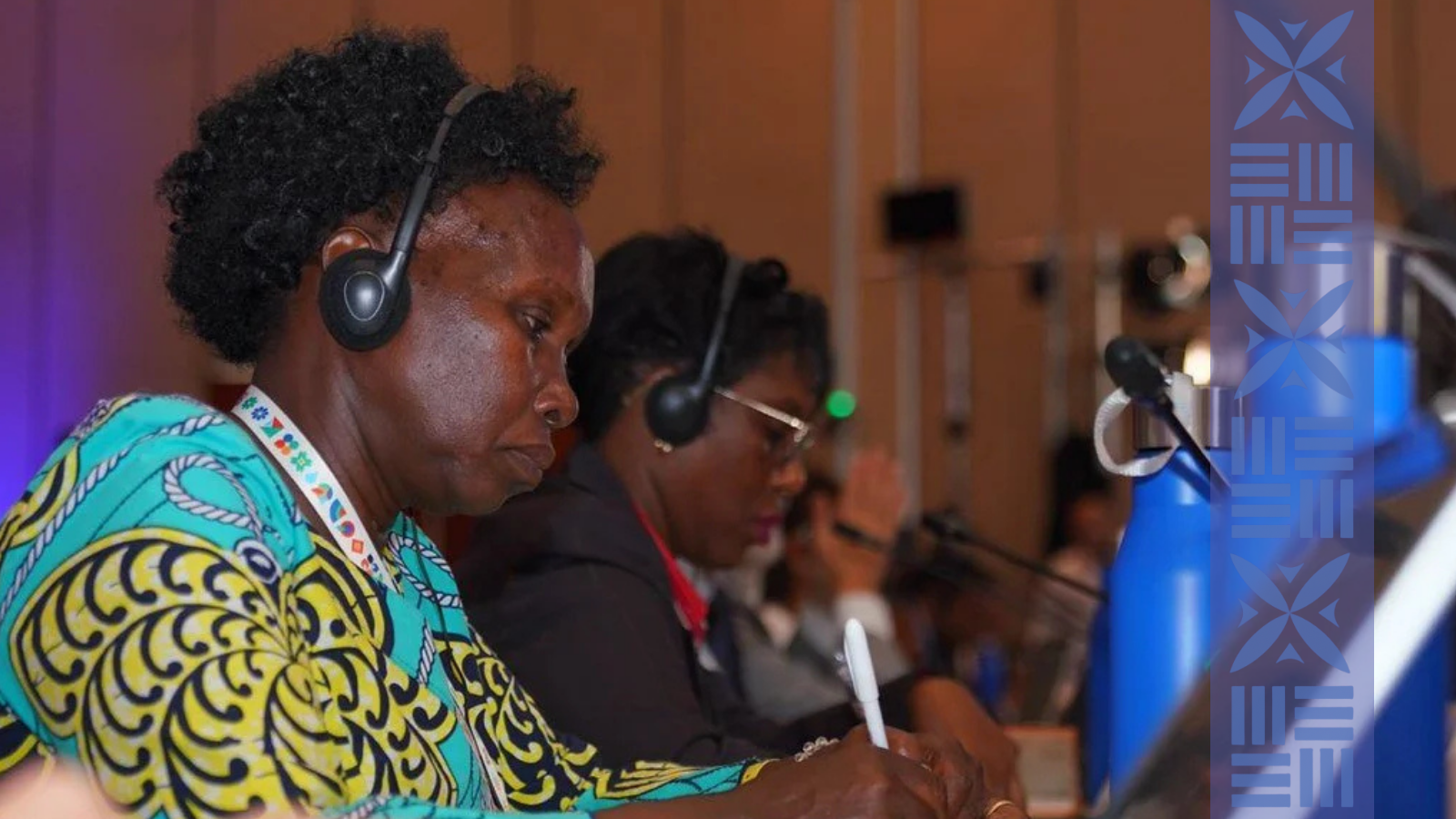
Afro-Descendant Peoples
-

Children and Youth
-

Faith Communities
-
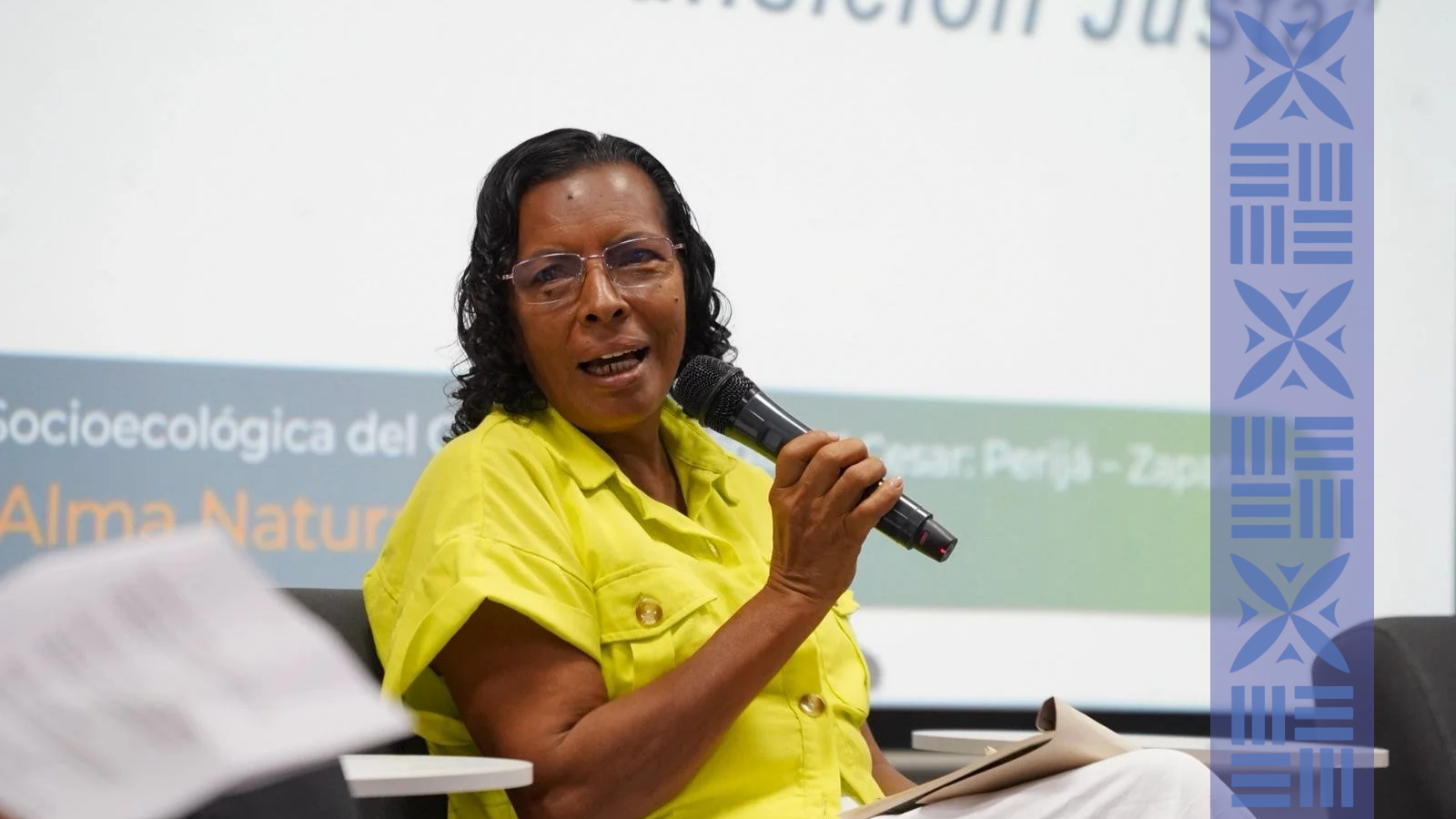
Health Professionals
-
NGOs & Social Movements
-
Parliamentarians
-
Farming & Peasant Communities
-
Private Sector
-
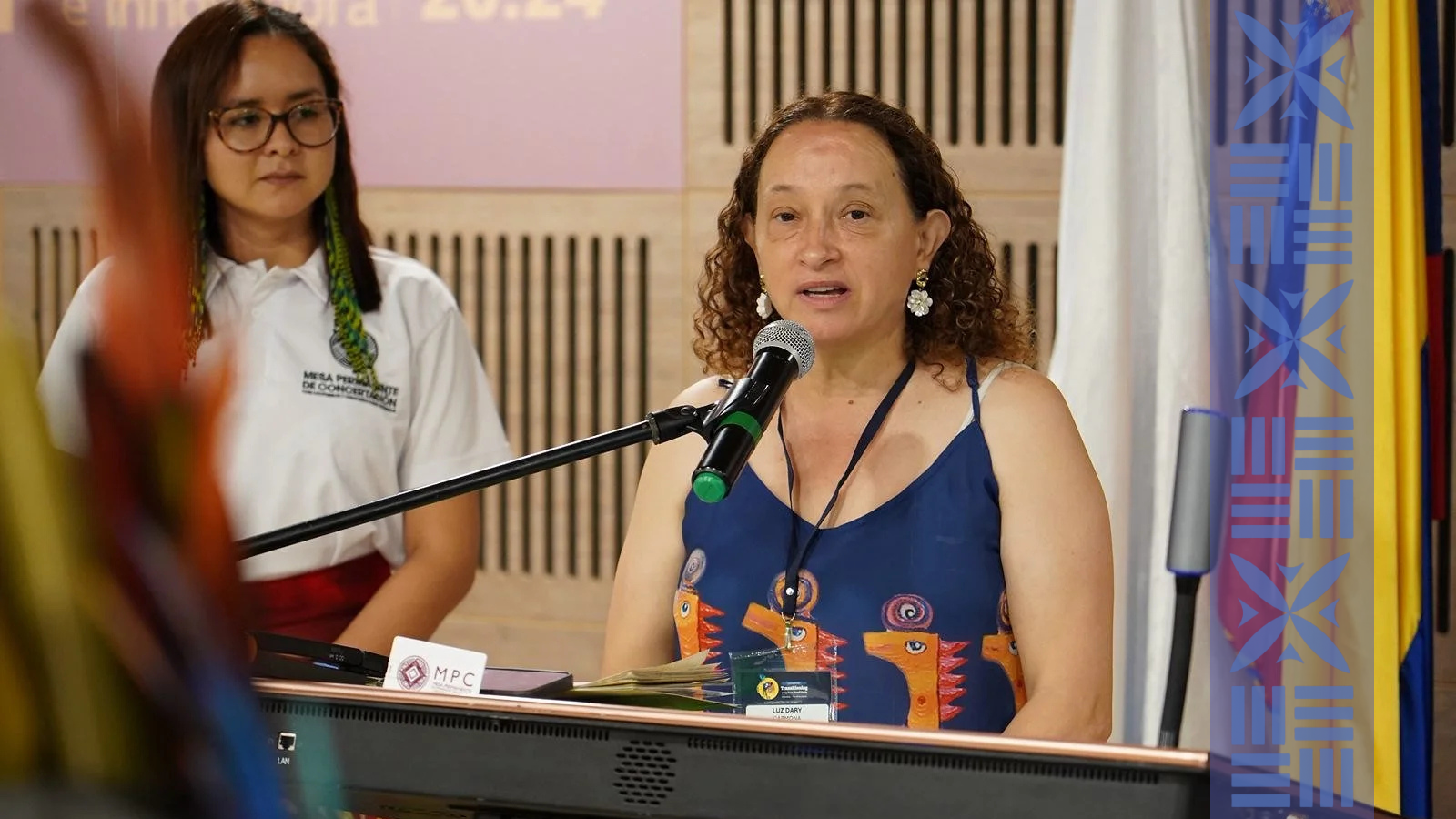
Social Movements
-
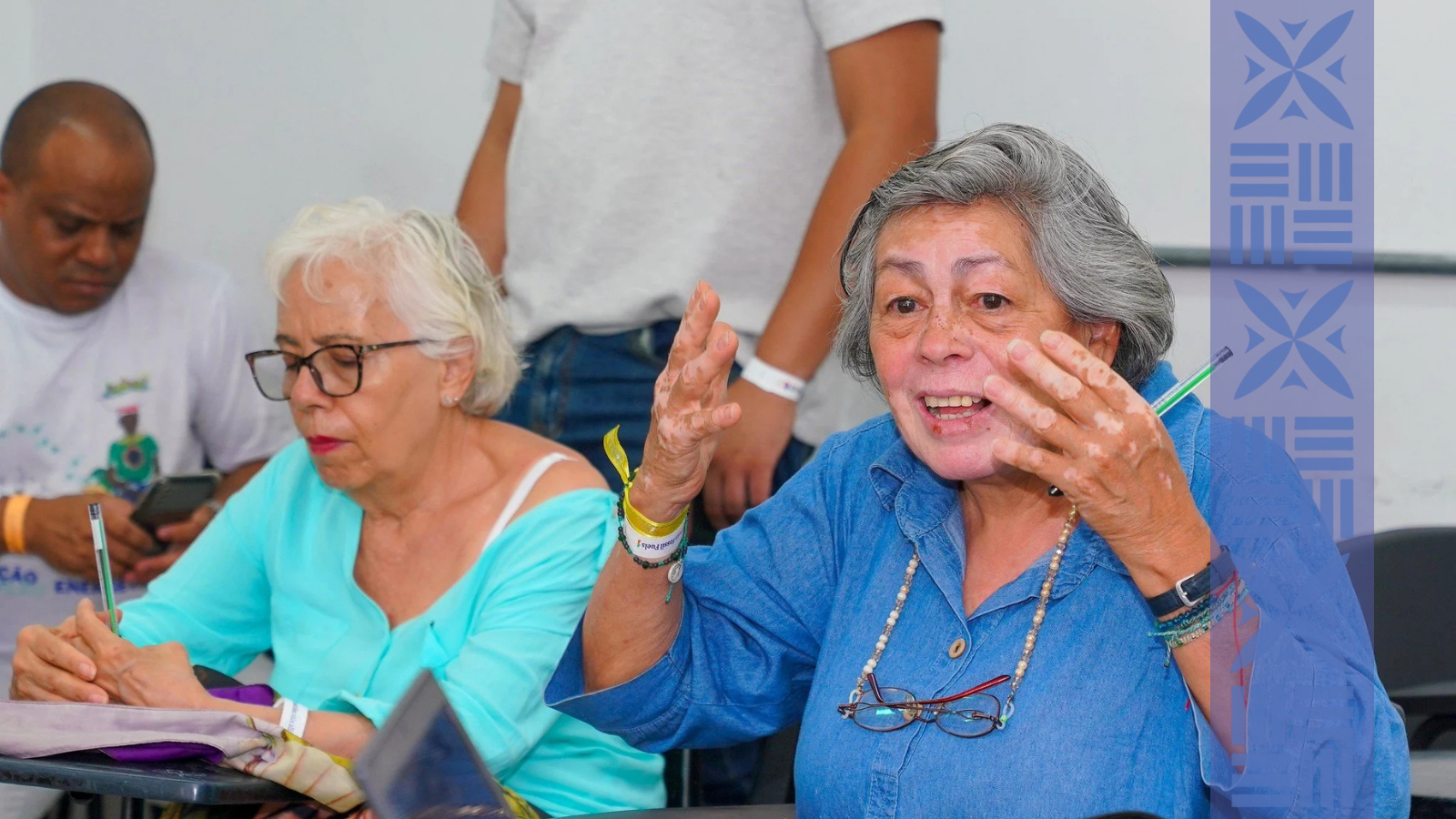
Trade Unions
-

Women and Diversities